

No matter the industry or geography, every type of organization needs comprehensive, trustworthy data to understand its historical and current performance, as well as potential opportunities to expand or refine business practices.
Business intelligence (BI) and analytics software play an integral role in helping organizations make data more accessible, as they:
- Replace tedious, manual reporting processes
- Combine data from multiple sources
- Integrate data analysis into existing workflows
However, successfully leveraging BI and analytics isn’t about a one-time software implementation – it’s a continuous journey that requires leaders to evolve their BI practices with new strategies, capabilities, user experiences, and more.
So how can business leaders effectively prioritize the right mix of emerging technologies, such as artificial intelligence and predictive analytics, alongside core BI concepts like data quality control and data literacy? And how do they realistically introduce new capabilities and approaches across their operations?
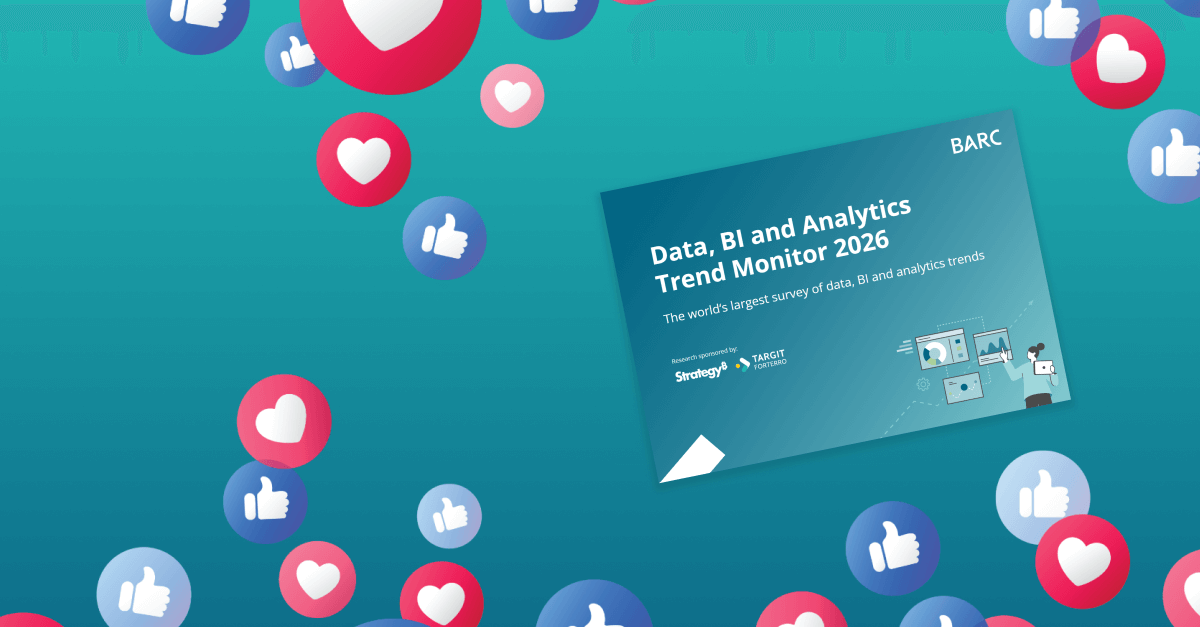
BARC’s Data, BI & Analytics Trend Monitor 2026 breaks down the biggest BI trends for the year ahead, including how the trends are ranked by BI users, vendors, and consultants, and how each trend has evolved over time.
In this blog, we’ll dive deeper into the top three business intelligence trends for 2026:
- Data Quality Management
- Data Privacy & Security
- Data-Driven Culture
We'll also share key takeaways and recommendations from BARC’s annual market study.
Trend #1: Data Quality Management
What Is Data Quality Management?
Data quality management is the discipline of ensuring that all your company data is accurate, complete, consistent, and reliable enough to support meaningful analysis. It forms the foundation on which every report, dashboard, and forecast is built.
Why Does Data Quality Management Matter in BI?
Without high-quality data, even the most advanced analytics tools can produce misleading results, erode trust, and stall BI adoption across the business.

Who Benefits Most From High-Quality Data?
Everyone who reviews or interacts with your company data is impacted by its quality. While technical BI users need accurate data to run advanced analysis and predictive modeling, business users rely on behind-the-scenes data quality controls to ensure the reports and dashboards they access – and act upon – are accurate, especially since they typically won’t have the capabilities or necessary tools to validate the data themselves.
How Do You Prioritize Data Quality Management?
To establish and maintain high data quality, organizations should:
- Define clear roles and responsibilities for who can access, update, and purge data
- Implement robust assurance processes
- Continuously monitor data health through audits and similar checks
- Build awareness and transparency regarding the impact of poor data quality
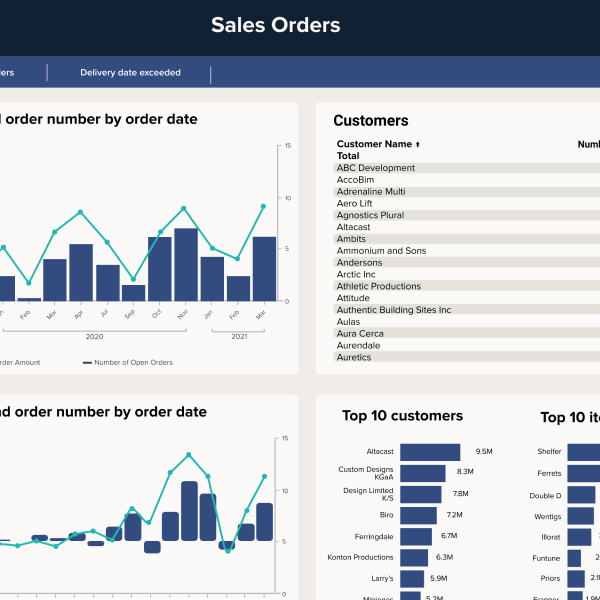
BI solutions like TARGIT help teams improve the quality of their data over time by surfacing inconsistencies and concerns that would otherwise stay hidden inside individual business systems. By bringing all data together on one platform, TARGIT creates structure and visibility that promotes high data quality across the organization.
Trend #2: Data Security & Privacy
What Is Data Security & Privacy?
Data security and privacy ensure that organizational data is protected from unauthorized access, misuse, and breaches, while also complying with regulations and respecting individual rights.
Why Does Data Privacy Matter in BI?
Data moves between various systems and user groups, increasing both its value and its vulnerability. Strong security and privacy practices safeguard sensitive information, preserve trust, and prevent costly compliance issues.
They also improve data quality by protecting your business data from potential errors or intentional tampering.
Who Benefits Most From Data Security & Privacy Controls?
The benefits of robust data privacy span far and wide:
-
Employees gain confidence that they are working in protected, reliable systems.
-
Executives and stakeholders reduce operational and reputational risk.
-
Customers benefit from responsible data handling and are more likely to engage with companies that prioritize their privacy.
-
Partners and suppliers also rely on consistent safeguards to ensure shared data is handled appropriately.
How Do You Prioritize Data Privacy?
To prioritize security and privacy, organizations should identify sensitive data, enforce role-based access, implement data governance policies, and leverage BI platforms that provide centralized control and auditing.
For example, TARGIT’s data governance tools enable administrators to designate which individual users or roles within the company can take what action, with what data, under what circumstances, and using what methods - all through one centralized Management client.
Trend #3: Data-Driven Culture
What Is Data-Driven Culture?
Data culture is all about centering your organization around accurate, comprehensive data rather than intuition or tradition. It impacts how you collect and analyze data, encourages employees to use data to inform their daily tasks, and enables executives to create data-driven strategies and growth goals.
Why Does Data-Driven Culture Matter in BI?
In a data-driven culture, employees at all levels rely on trusted information to guide actions, a mindset that’s supported by accessible tools, clear data, and leadership that models data-based decision-making.
Establishing this culture is essential because even the best BI technology fails without adoption. Value is created only when people consistently use data insights to inform decisions and drive change.
Who Benefits Most From a Data-Driven Company Culture?
Everyone benefits from a strong data-driven culture. Employees gain clarity and confidence in their decisions. Leaders and stakeholders see improved performance, transparency, and accountability. Customers experience better, more consistent service informed by real needs and behaviors.

How Can You Prioritize Data Culture?
To prioritize this trend, organizations should invest in data literacy training, align KPIs to measurable outcomes, encourage cross-departmental collaboration, and adopt BI platforms that make insights easy to access and understand.
Features like TARGIT’s dynamic report distribution and embedded BI capabilities support a strong data culture by providing users with tailored data insights:
- Embedded BI makes data available directly within the tools and systems that power users’ daily work, such as CRMs or ERPs.
- Dynamic report distribution ensures reports are always sent to the right people, with recipient lists that update automatically based on the latest data.
What’s more, the TARGIT Insights add-on module gives organizations a clear understanding of how their teams are using data by showing which dashboards are most popular, how often users log into the system, and which data points they’re drilling into on their own.
What Is BARC's Outlook on BI for the Year Ahead?
As reflected in the top three trends above, BARC’s 2026 Trend Monitor indicates a steady focus on foundational BI and analytics trends, with few notable shifts in trend importance.
Practices such as Data Quality Management and Data Security & Privacy remain at the top of the agenda, reaffirming that reliable, well-governed data remains the cornerstone of any successful BI strategy.
Overall interest in AI and predictive analytics continues to grow. Technologies such as machine learning, generative AI, decision intelligence, and emerging agentic approaches are reshaping how companies think about automation and advanced decision-making, even if they aren’t opting to completely overhaul their existing BI operations.
Organizations consistently emphasize trust, compliance, culture, and data literacy as essential enablers, even as AI becomes more prominent within their BI strategies. A strong data-driven culture and governance framework remain critical to achieving meaningful outcomes with both data and AI.
See the Full List of 2026 Business Intelligence Trends
Each year, BARC analyzes the top 20 global BI and analytics trends for the upcoming year through the eyes of BI users, consultants, and vendors.
Interested in the full ranking of all 20 trends?
Download BARC’s complete study to see the full list of top business intelligence trends, learn how they’ve evolved over the years, and discover seven key recommendations for integrating them into your own operations.

Frequently Asked Questions About BI in 2026
“What are the top BI trends in 2026 and why do they matter?”
The top BI trends in 2026 are Data Quality Management, Data Security & Privacy, Data-Driven Culture, Data & AI Governance, and Data & AI Literacy.
These trends, as well as the 15 remaining trends outlined in BARC’s Data, BI & Analytics Trend Monitor, reflect the importance of both foundational and emerging BI concepts and the value of striking the right balance between them.
2026’s top BI trends reflect the longstanding importance of ensuring your BI data is clear, reliable, and complete to fuel key processes like reporting and drive positive outcomes from AI, predictive analytics, and similar models.
“Which BI trends should my organization prioritize?”
Organizations should consider factors like their current data maturity, specific business goals, and users’ technical skill levels when considering which BI trends to invest in during 2026.
- If data is inconsistent, fragmented, or poorly governed, prioritizing data quality, governance, and security must come first. Without a “single source of truth,” advanced analytics will likely fail or lead to mistrust.
- Choose trends that directly support strategic objectives, e.g., if your goal is compliance and data protection, security & privacy rank high; if it's agility and faster decision-making, automation and self-service analytics may matter more.
- Evaluate your company’s data literacy, users’ appetite for self-service BI, and leadership buy-in. If employees are not ready or trained on advanced features, new initiatives won’t live up to their full potential.
“What challenges might organizations face when adopting new BI approaches?”
Common roadblocks like data quality concerns and internal resistance to change can stall or even derail an organization’s BI projects.
- Poor data quality or siloed data: A lack of access to comprehensive, reliable data can lead to inaccurate or misleading analytics and AI outputs.
- Low data literacy and cultural resistance: Users may not trust or understand analytics, resist new workflows, or lack the skills to interpret and act on insights.
- Overlooking change management: New BI approaches can fail if teams aren’t guided, trained, and supported throughout the process.
“How can leaders prepare their teams for BI innovation?”
Leaders should start from the ground up when building a strong BI practice, ensuring end-users are trained and supported throughout any system changes, and gaining buy-in from key stakeholders before kicking off a new initiative.
- Start with the basics: Whether you’re adopting a new platform or refining existing BI practices, make sure data is consolidated, clean, and well-governed before layering more complexity on top.
- Define clear use cases and a roadmap: Rather than chasing every trend, focus on use cases with high ROI, and plan phased adoption, whether your organization is looking to reinforce foundational practices to adopt advanced analytics and AI capabilities.
- Invest in data literacy and education: Provide training, encourage a data-driven mindset, and build confidence so users can interpret and act on insights.
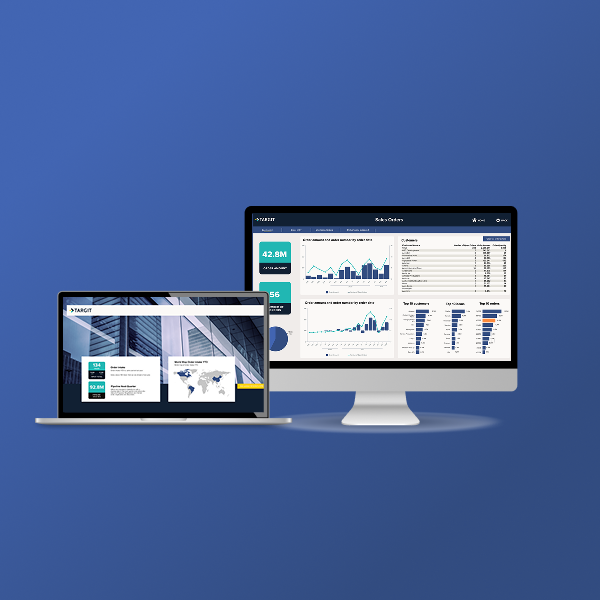
- Choose the right BI partner: Your BI tools should support both current needs and future growth. TARGIT Decision Suite, for example, offers self-service BI, integration with multiple data systems, and dashboards/reports specifically for non-technical users.
Note: The blog post narration is automatically generated by AI, so there may be errors or mistakes in the spoken content.

/Forterro_Arrow-On-Colour.svg)
