

As dealer groups continue to grow, service departments are under increasing pressure to do more with limited labor resources. Industry projections suggest that technicians will account for the majority of hiring needs across the dealership sector in 2026.
In fact, Ag Equipment Intelligence's 2026 "Big Dealer" Report found that 78% of dealers believe they’ll need to hire technicians in the next twelve months.
Dealerships typically approach technician shortages as a recruiting issue resulting from a lack of skilled talent in the workforce. And while attracting and retaining reliable staff is important, it’s not the only way dealers can overcome capacity challenges.
In many organizations, leaders lack visibility into critical questions such as:
- Are technicians spending their time on high-value work?
- Which branches are running at or above capacity?
- Where are service bottlenecks occurring?
- How much revenue is being lost due to labor constraints?
- Which locations may need workforce adjustments before demand increases?
Without answers to these questions, staffing decisions become reactive rather than strategic.
Why Does Traditional Workforce Planning Fall Short?
Many dealers rely on spreadsheets and retrospective analyses to inform workforce planning.
The challenge is that today's service environment changes quickly.
Work order volumes fluctuate. Seasonal demand shifts. Customer expectations continue to rise. New equipment lines require more training.
By the time monthly reports are reviewed, capacity issues may already be impacting work order turnaround time, service revenue, technician morale, and more.
Traditional reporting tells leaders what happened in the past. Business intelligence (BI) software helps leaders understand what’s happening now and what they can do to adapt their operations to optimize resources and meet demand.
What is the Role of Data in Workforce Planning?
Effective workforce planning begins with operational visibility.
When service managers and executives can view technician performance, workload trends, and demand across every location, they gain the information they need to distribute existing resources more effectively – and decide when it’s time to add headcount or scale down service operations.
Bringing together service-related data from payroll tools, time clocking software, DMS, ERP, and CRM systems creates a comprehensive view of technician capacity and service performance.
Instead of making staffing decisions based on assumptions, leaders can reference utilization and productivity metrics to guide workforce planning initiatives.
Identify Service Bottlenecks Before They Affect Revenue
One of the most valuable applications of business intelligence is identifying service bottlenecks early.
For example, a dealership may believe technician shortages are causing delayed repairs. However, deeper analysis may reveal that the true constraint is parts availability, inefficient scheduling, or uneven workload distribution between locations.
Without visibility into operational data, these issues often remain hidden.
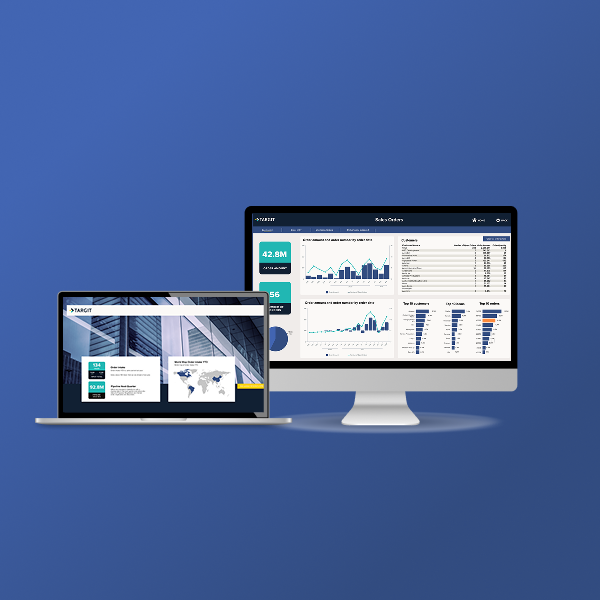
Modern BI dashboards can help leaders monitor:
- Open work orders
- Work-in-progress aging
- Technician efficiency
- Technician utilization
- Labor recovery rates
- Service revenue trends
These insights make it possible to see exactly where delays or capacity constraints are occurring and prioritize improvement efforts accordingly.
Maximize Technician Capacity Across Locations
For multi-site dealerships, technician shortages often create uneven capacity across the group.
One branch may have technicians working overtime while another has available capacity. Without cross-branch reporting, these imbalances can be difficult to identify.
Comparative analyses allow leadership teams to compare service performance across locations and answer questions such as:
- Which branches are nearing capacity?
- Where is technician productivity highest?
- Which locations have available labor capacity?
- How does service demand vary by region?
- Where should we prioritize additional hiring?
By understanding capacity at both the branch and enterprise level, dealerships can make more informed staffing decisions, maximize their resources, and reduce operational inefficiencies.
Connect Technician Performance to Business Outcomes
The service department represents one of the most significant revenue drivers within an equipment dealership.
When technician productivity and related metrics are connected to financial data, leaders gain a clearer understanding of how workforce decisions impact business results.
For example, dealerships can use BI to analyze relationships between:
- Technician utilization and service revenue
- Labor efficiency and gross profit
- Staffing levels and work order completion times
- Branch capacity and customer satisfaction
- Workforce trends and forecasted demand
This level of visibility helps organizations move beyond operational reporting and toward strategic workforce management.
Turn Workforce Data into Actionable Decisions
The technician shortage is unlikely to disappear anytime soon. As competition for skilled labor continues to intensify, dealerships that rely solely on reactive hiring will struggle to keep pace with demand.
The most successful dealers will combine their recruiting efforts with workforce planning strategies that maximize existing resources and improve operational efficiency.
By unifying workforce, operational, and financial data in one platform, leaders can better understand technician capacity, identify performance opportunities, and make smarter workforce planning decisions.
When every hour of technicians’ time matters, don’t compromise on data visibility. Get in touch to learn how TARGIT’s specialized BI solution for dealers will help you monitor day-to-day performance, monitor trends over time, and keep your service operations running smoothly.
Frequently Asked Questions About Service Department Reporting
How can equipment dealerships address technician shortages?
Dealerships can address technician shortages by combining recruiting efforts with data-driven workforce planning. Business intelligence tools help leaders understand technician utilization, find service bottlenecks, and optimize capacity across locations.
What metrics should dealerships track for technician capacity planning?
Key metrics include technician utilization, technician efficiency, labor recovery rate, work-in-progress aging, open work orders, service revenue, and branch-level capacity.
How does business intelligence improve service department performance?
Business intelligence helps dealerships identify bottlenecks, improve scheduling, optimize resource allocation, and increase technician productivity.
Why is workforce planning important for multi-site equipment dealerships?
Workforce planning helps multi-site dealerships distribute resources effectively, compare branch performance, anticipate labor needs, and maintain service capacity across the entire organization.
This article includes AI-generated content and was reviewed by FORTERRO.


/Forterro_Arrow-On-Colour.svg)
